

Monster Spotlight, Count Orlok (Nosferatu)
Hello, community of cartoon monster lovers - let's explore our latest issue!

The Monster Machine’s back at it this week. A few gears were jammed with cobwebs, the pipes clogged with old ledger pages, and I even discovered miniature evidence of an abandoned poker game in the boiler room (definitely the rats). After a little lubricant, a lot of dusting, fluffing, and a strange encounter with a broom, it finally roared back to life — puffing out more smoke than steam.
And what did it cough up this time? Not something squishy, furry, or covered in fangs — but someone pale, pointy-eared, and very good at casting a massive shadow of ick over the party…
Halloween might be over, but here at Monster Machine, the monster party never [expletive] stops. This week, we’re shining the spotlight on Gothic horror’s original plague-bringer vampire, the Nosferatu of the silver screen:
Count Orlok!
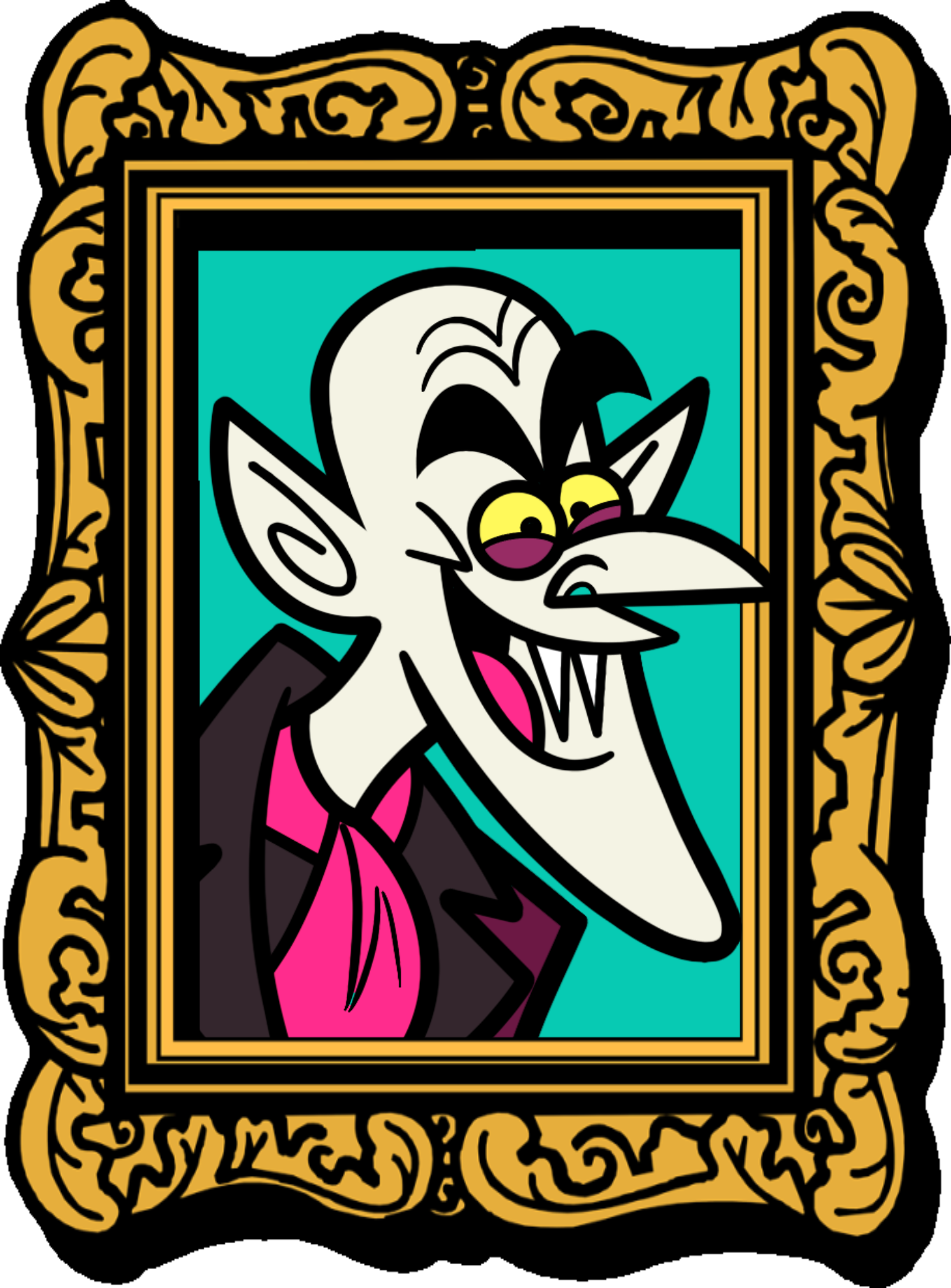
Monster Machine™ Spotlight: Count Orlok
—
⚡ Character Bio
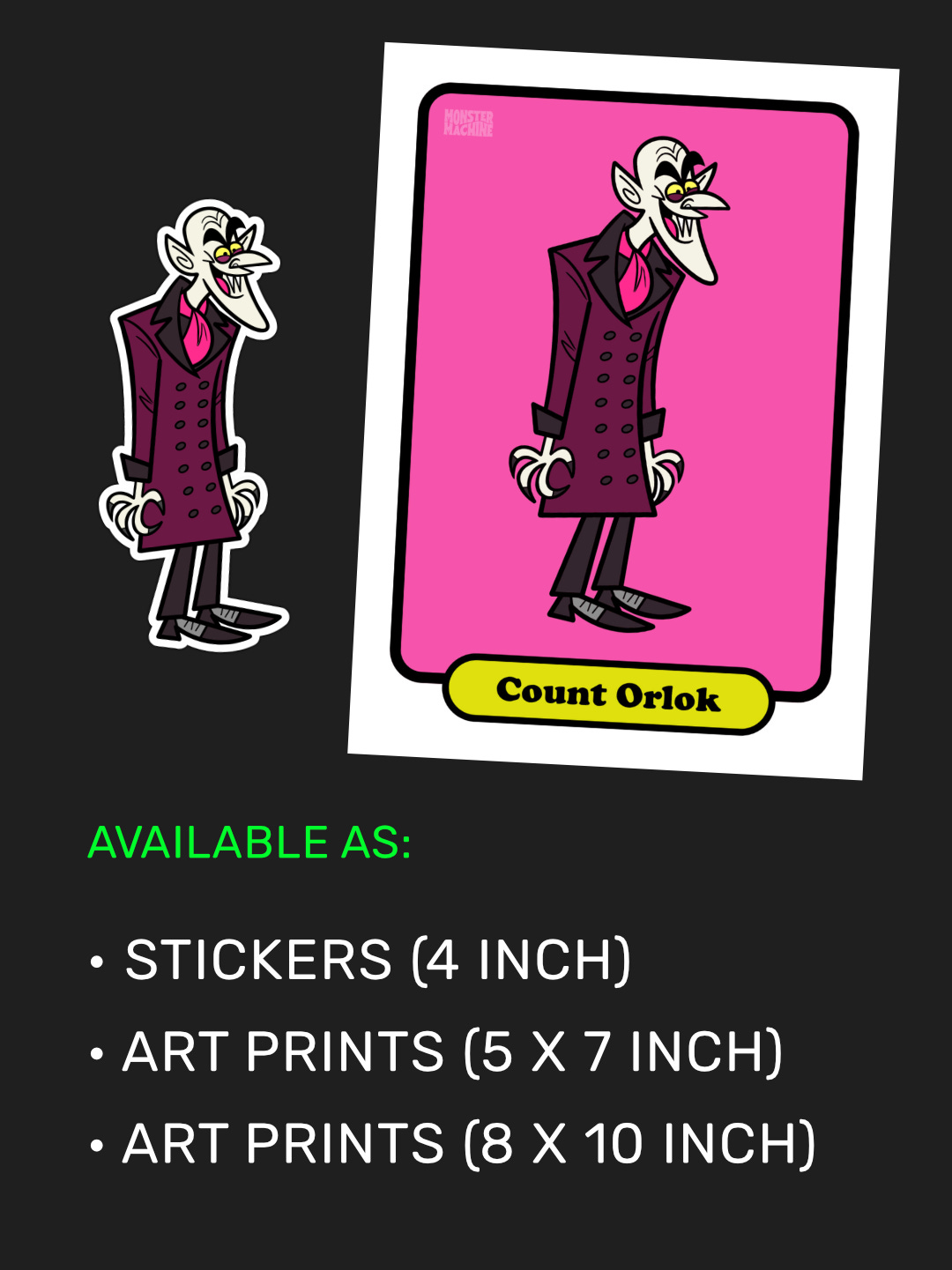
Emerging from the shadowy corners of Wisborg, Count Orlok is part vampire, part plague, total eerie spectacle.
Tall, gaunt, and delightfully colorless, he spends most of his nights slinking across creaky floorboards, stalking dust bunnies, making sure his castle remains wet and dank, and practicing his most dramatic crouches in moonlight. Sunlight? Instant panic. Warm rooms? Instant wilt. Cheerful chatter? Unacceptable-too normal. He communicates with a silent bushy-browed stare, a finger-splayed claw, or the sudden extinguishing of candles across a room.
Enter humans: unwitting, naïve, and entirely in the wrong place at the wrong time. Suddenly the Count has to juggle being a corpse-like connoisseur of dread, a master of creeping, and an unwitting agent of small-town terror—all while looking suspiciously pointed-eared and old-money elegant. Handshakes? Nonexistent. Invitations? Ignored. Flowers? Only if they come with plague spores.
But Orlok wasn’t bitten by a zombie, zapped by lightning, or raised by swamp monsters. He’s a self-made nightmare: a creature of shadow, disease, and theatrical horror. He haunts with purpose, frightens with style, and insists that every hallway, attic, and castle keep is meticulously shadowed to maximize panic and paranoia.
Despite the chills, the musty odor of an ancient abode, and the occasional freaked-out villager, Count Orlok isn’t just menace and morbidity. He enjoys creepily crawling across ceilings in total silence, the flicker of candlelight at midnight, crusty old books, the occasional squeaky rat, and watching the subtle panic bloom in the eyes of intruders. He’s the ultimate blend of dread, elegance, and oddball charm—a gothic guardian of shadows who proves that lurking, terrifying, and never speaking a single word can be a full-time, utterly dramatic career.
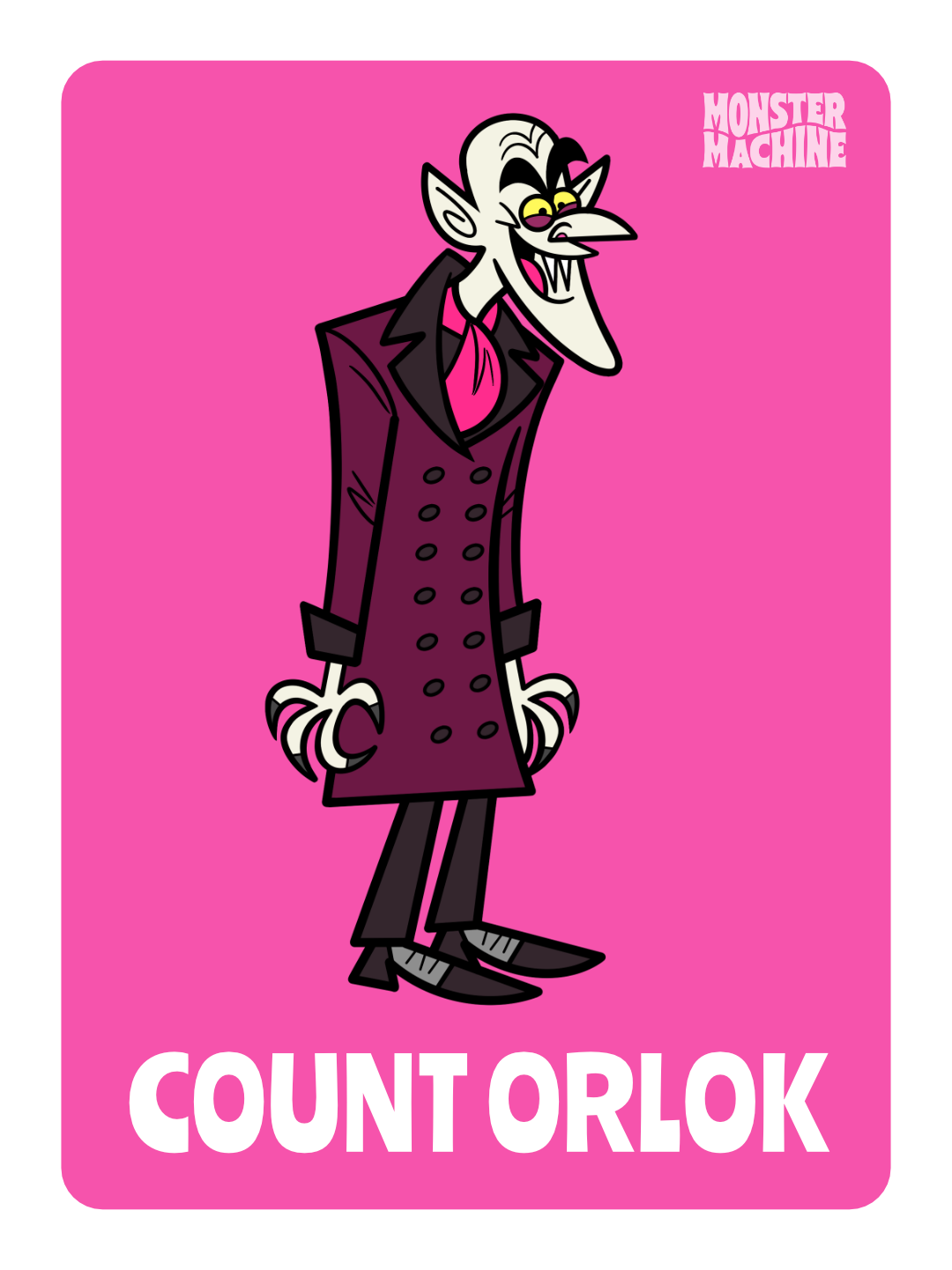
Count Orlok: pale, pointy-eared, and wonderfully plague-y in all the best (and worst) ways.
🦇 Behind the Shadow: Orlok’s Legacy
Before he became the Nosferatu of silver screens and small-town nightmares, Count Orlok was… well, let’s be honest, mostly a really tall guy who was extremely good at lurking in poorly lit attics and crypts. Somewhere along the way, he perfected the art of spreading dread with a single skeletal hand and a long, exaggerated silhouette that creeps up the wall and fools unsuspecting townsfolk into business deals. Subtlety? Never in his repertoire.
Orlok wasn’t just a villain—he was a full-on aesthetic movement: pale, pointy-eared, sharp-toothed, with elongated fingers, bushy brows, dark circles, and impeccably dressed—so committed to lurking that he practically invented haunting rent-free.
Orlok’s personal boundaries included:
Wooden stakes? Non-negotiable anxiety.
Small townsfolk laughing? Criminally suspicious behavior.
Uninvited guests in his coffin? Immediate glare, optional fainting spells.
Garlic bouquets? Shouldn’t be on this list ;)
Shiny mirrors? Existential dread activated.
Rats ignoring him? Personal insult.
His look? A masterclass in gothic horror minimalism. Sharp features, elongated fingers, and a wardrobe of black coats and shadow—part corpse, part elegance, all menace. His silhouette still inspires cosplay, Halloween decorations, and the occasional startled cat to this day.
And while he never speaks, Orlok’s real communication is in his presence: slow, deliberate, and unnervingly precise, a masterclass in suspense. A stalking shadow, a flicker of candlelight, and the mysterious disappearance of pets and poultry. One look, and you know the room has just become slightly more ominous.
His impact is undeniable:
Set the blueprint for cinematic vampires long before Hollywood realized a cape and fangs could sell tickets.
Inspired generations of horror filmmakers, silent and otherwise, to play with shadow, suspense, and unrelenting atmosphere.
Convinced small towns everywhere that empty attics are naturally terrifying.
Ensured that “Nosferatu” remains synonymous with creeping dread and plague-chic aesthetic.
Today, Count Orlok isn’t just a monster in a movie—he’s a timeless icon of gothic horror, shadowy elegance, and old-school dread. He proves that lurking silently in dark corners can be both an art form and a lifestyle… and sometimes a very stylish one.
Love zines? I made one just for you — and it’s totally FREE!
I’m all about connecting with my community and sharing cool content, so I thought, why not a Free Monster Spotlight Zine on Substack? It’s short, funny, educational, and a must-have for any collector.
All I ask is you hit Subscribe to my Substack to stay in the loop.
What to Expect From My Newsletter
Look forward to an easy-going and totally funny monthly dose of cartoony-horror.
Here’s what subscribers get:
🧟 Free Monster Spotlight Zine: Lore, bios, and maybe a few corny jokes
✏️ Behind-the-scenes art and creator notes
🔮 Sneak peeks at new characters and merch drops
👻 Fan polls: Help us pick what monsters get made next
🎁 Early-bird access to drops, deals, and exclusive offers
Whether you're a horror buff, nostalgic for old-school cartoons, or just really into weird stickers — we’re here to deliver the goods.

🍽️ What’s in Count Orlok’s Diet?
Fresh blood from unwary townsfolk — Count Orlok’s equivalant to Red Bull.
A side of minor plague — optional, but highly recommended.
Dust bunnies — crunchy, slightly musty, best paired with a cheap Merlot.
Moldy ledger pages — tangy, full of town gossip, aged to perfection.
Rats — small, fleeting, occasionally overconfident. High in protein, low in consent.
Flea circus leftovers — surprisingly chewy, with a bitter undertone of existential despair.
Cobweb soufflé — spun fresh nightly, impossible to resist… if you’re a spider.
Half-drained barrels of coffin wine — robust, woody, and slightly embalmed.
Forgotten cheese wheels from the cellar — pungent, crumbly, with a hint of plague.
Mysterious attic crumbs — origin unknown, texture suspicious, flavor terrifyingly bland.
Candle drippings — waxy, a little bitter, perfect for midnight snacks.
Sunlight-warmed mice (unintentionally) — crispy on the edges, unappetizingly bright.
Soggy postcards from unwitting humans — slightly sour, occasionally sentimental.
Rotten crab apples from the Wisborg orchard — aesthetically pleasing if viewed from afar.
💬 Drop your spookiest “Orlok snack” in the comments — he’s always on the hunt to add a little extra variety to his palate.
🎭 Orlok’s Pleasures
Coffin Naps — nothing says relaxation like the big sleep.
Creeping across ceilings — the ultimate cardio and stealth hobby.
Shadow stalking — watching townsfolk from the perfect angle of terror.
Hoarding rats — loyal companions, occasionally mildly judgmental.
Collecting discarded coffin accessories — top hats, ribbons, and the occasional cobweb.
Moonlit crouching contests — who can cast the longest shadow? He always wins.
Rearranging furniture in the dark — a mix of interior design and mild haunting.
Watching plants wilt — slow-motion horticultural horror.
Dust meditation — inhaling centuries of grime like incense.
Practicing dramatic pauses — perfect for interrupting unsuspecting villagers.
Petting bats — only the ones who survive the night.
Sneaky attic tours — surprising intruders with silent but terrifying inspections.
Inventorying plague crates — counting misfortune like it’s fine wine.
Crafting miniature nightmares — sculpted from shadows, dust, and leftover rat whiskers.
💬 Share your own “Orlok-approved” pleasures — he’s always hungry for a little more mischief in the shadows.
And they’re just one of 73+ monsters in our Famous Frights sticker collection — a wild cartoon world crawling with retro ghouls, camp slashers, swamp beasts, and other kooky creeps. I dare you to check on my collection. It’s haunted…
💡 Monster Thoughts
“Some say I’m a creepy monster. The truth is that I’m so much more than that.” — Count Orlok
What it’s saying:
“Some say I’m a creepy monster.” – Villagers, travelers, and nosy historians love to label what they don’t understand. Shadows, plague, and long, elongated fingers? Scary to some. A carefully curated art form to him.
“The truth is that I’m so much more than that.” – He’s a master of suspense, shadow, and dread; an architect of fear; a silent teacher of caution. Humans wandering into his crypts aren’t intruders—they’re unwitting participants in his aesthetic.
Big Picture: Count Orlok isn’t just a vampire; he’s an atmospheric experience. His work is in making the ordinary terrifying, sculpting shadows, and maintaining the perfect plague-adjacent ambiance.
🧠 Monster Psycho-logy Notes
Patient: Count Orlok
Session Notes:
Suffers from Chronic Shadow Domination Disorder — sunlit rooms, warm hearths, and cheerful chatter trigger mild anxiety, disgust and retreat.
High-functioning silent stalking and plague distribution skills, paired with zero tolerance for chatty Cathy’s or overly bright lighting.
Experiences intrusive dread spikes when uninvited humans wander into crypts, attics, or shipping crates — responds with extended looming, staring, and subtle hand gestures.
Anxiety triggered by noisy rats, squeaky floorboards, and suspicious shipments of coffins.
Self-diagnosed with Longevity Obsession Syndrome (LOS) — careful preservation of his undead body, cloak folds, and castle shadows.
Appearance: takes immense pride in his gaunt elegance, pointed ears, and skeletal silhouette; sensitive to comments like “you’re scary” or “plague-y.”
Diagnosis: Gothic Lurker Anxiety with recurring episodes of Silent Menace, Shadow Crawling, and Strategic Rat Herding.
Prognosis: Not always dangerous to society—unless you stumble into his castle, he’s thirsty, interrupt his creeping, or fail to respect the art of dread.
🎬 Our Top 3 Movie Picks
Nosferatu (1922)
Studio: Prana Film | Starring: Max Schreck, Gustav von Wangenheim
Style: Silent Horror / German Expressionism
Rating: ★★★★★ (10/10)
The ultimate vampire plague story. Max Schreck’s skeletal, elongated performance, the creeping shadows, and the eerie townwide terror make this the blueprint for every cinematic vampire ever. Come for the shadow crawling, stay for the existential dread.
The Cabinet of Dr. Caligari (1920)
Studio: Decla-Bioscop | Starring: Werner Krauss, Conrad Veidt
Style: German Expressionism / Psychological Horror
Rating: ★★★★★ (8.5/10)
Twisted angles, stark shadows, and a story dripping with paranoia and dread. The unnerving sets and stylized performances influenced Nosferatu’s shadowy aesthetic and remain a cornerstone of early horror cinema.
Vampyr (1932)
Studio: L’Alliance Cinématographique Européenne | Starring: Julian West, Marianne Oswald
Style: Gothic Horror / Dreamlike Thriller
Rating: ★★★★★ (8.5/10)
A surreal, atmospheric exploration of vampirism and dread. Dreamlike visuals, shadows that move like whispers, and a creeping, plague-like tension make this a perfect companion to Orlok’s silent, haunting presence.
⭐ Freaky Fun Facts: Count Orlok Edition
Shadow master. Max Schreck’s elongated silhouette and skeletal posture weren’t just creepy—they practically invented the art of cinematic lurking.
Silent terror. Nosferatu relied entirely on visuals, shadows, and subtle movements to convey fear, proving that menace doesn’t need dialogue.
Plague aesthetic. Orlok’s presence wasn’t just scary; it carried a literal epidemic. The film cleverly links vampirism with disease, turning shadow into small-town dread.
Creepy from the get-go. Unlike many vampires, Orlok’s face was shocking from the start—long fingers, pointed ears, and a grotesque grin that haunted audiences immediately.
Casting curiosity. Max Schreck’s mysterious persona off-screen only added to Orlok’s legend—some rumors suggest he wasn’t fully human (or fully cooperative).
Innovative visuals. German Expressionist techniques—distorted sets, exaggerated shadows, and stark contrasts—made Orlok loom larger than life and instilled a sense of unease still studied today.
Enduring influence. Orlok inspired generations of horror filmmakers, vampire aesthetics, Halloween costumes, and gothic pop culture imagery.
Eerie realism. Many scenes were filmed on location in eerily empty towns, heightening the sense of isolation, dread, and impending doom.
Silent charm. Despite his menace, Orlok’s gestures—crouching, shadow crawling, and skeletal posturing—show that horror can be elegant, methodical, and strangely mesmerizing.
🛒 Ready to Explore?
Stagger through our haunted website:
or Shuffle through our cursed sticker shop:
Or forward this to any cartoon monster-loving friend, cryptid, or undead cousin. We consider that a monster compliment.
Thanks for creeping this far, gang. Maybe we’ll cross paths by the old rickety bridge over the spooky swamp—just after midnight.
– Ahmed, Monster Maker & Sticker Ghoul-in-Chief